Grass rash is the red, itchy and sometimes bumpy skin rash you develop after cutting or spending time on grass. Let’s take a look at two possible causes of grass rash and what you can do to prevent it.
Grass Rash Causes
Two common causes for grass rash include:
- Allergies. An allergic reaction is probably your first thought when you develop a grass rash. A grass allergy will typically cause a red, bumpy rash and be accompanied by additional allergic symptoms such as congestion, itchy eyes, wheezing or coughing.
- Physical irritation. Physical irritation occurs when the blades of grass scrape or puncture your skin. Physical irritation will arise if the grass physically touches your skin, but allergy symptoms can arise from the pollen in the air, meaning the grass itself doesn’t need to touch you to cause an issue.
Grass rash doesn’t mean that you have to let your yard turn into an overgrown jungle; just practice a few safety precautions before you mow the lawn.
Managing Grass Rash
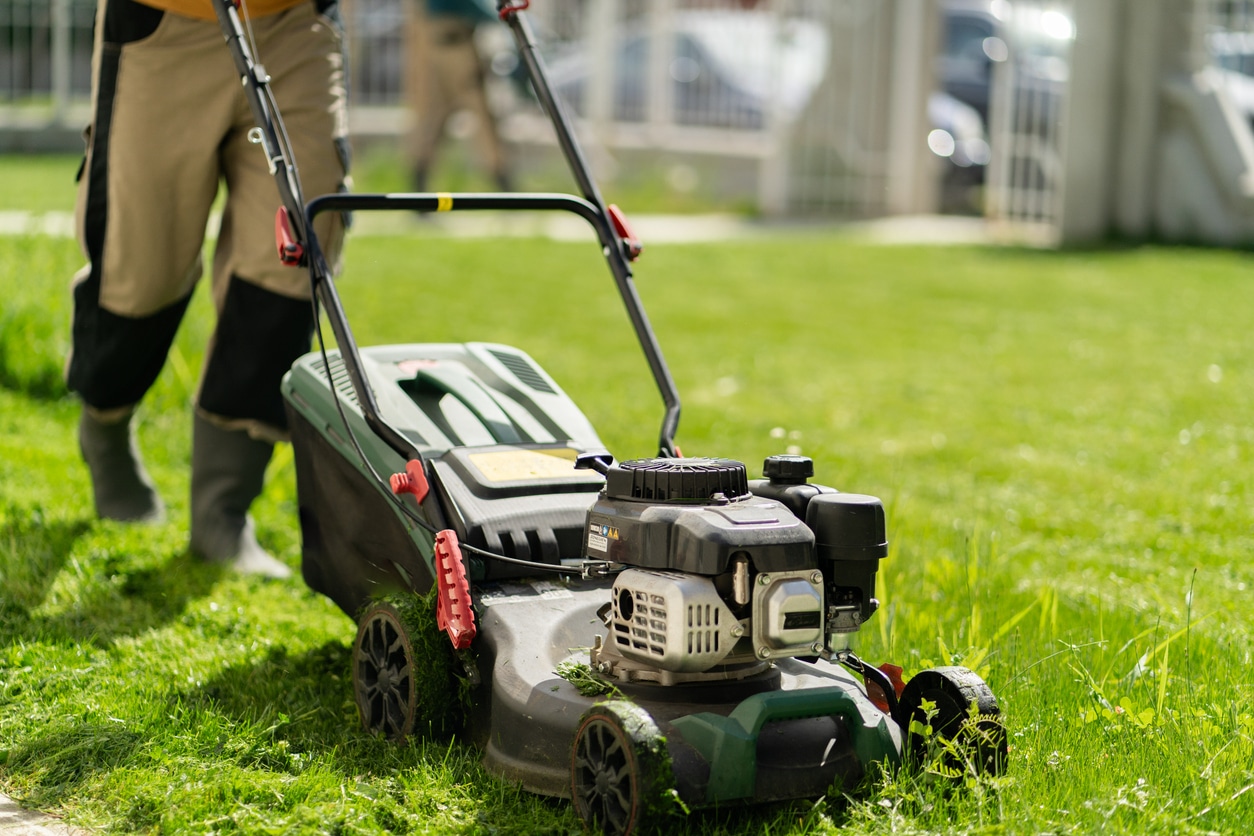
The best way to prevent grass rash, aside from not cutting your lawn, is to wear long pants, long sleeves and tall socks while you mow. Covering your skin will reduce the amount of pollen or physical grass you come in contact with and minimize your symptoms. St. Peter’s gets pretty hot in the summer, so waking up around seven to cut your lawn will allow you to cover up without overheating.
If you experience additional allergic symptoms, like congestion or itchy eyes, wearing a face mask and goggles is also a good idea. People with severe allergies might want to consider hiring someone to cut their lawn.
You can manage the rash after it develops by applying an antihistamine cream and taking an oral antihistamine the night before or morning of your lawn care day.
If you’re among the 20% of people in the United States dealing with hay fever[1] this summer, call Midwest ENT Centre to talk to one of our specialists about your treatment options.
[1] Cleveland Clinic. (2023). Allergic Rhinitis (Hay Fever). Cleveland Clinic. https://my.clevelandclinic.org/health/diseases/8622-allergic-rhinitis-hay-fever